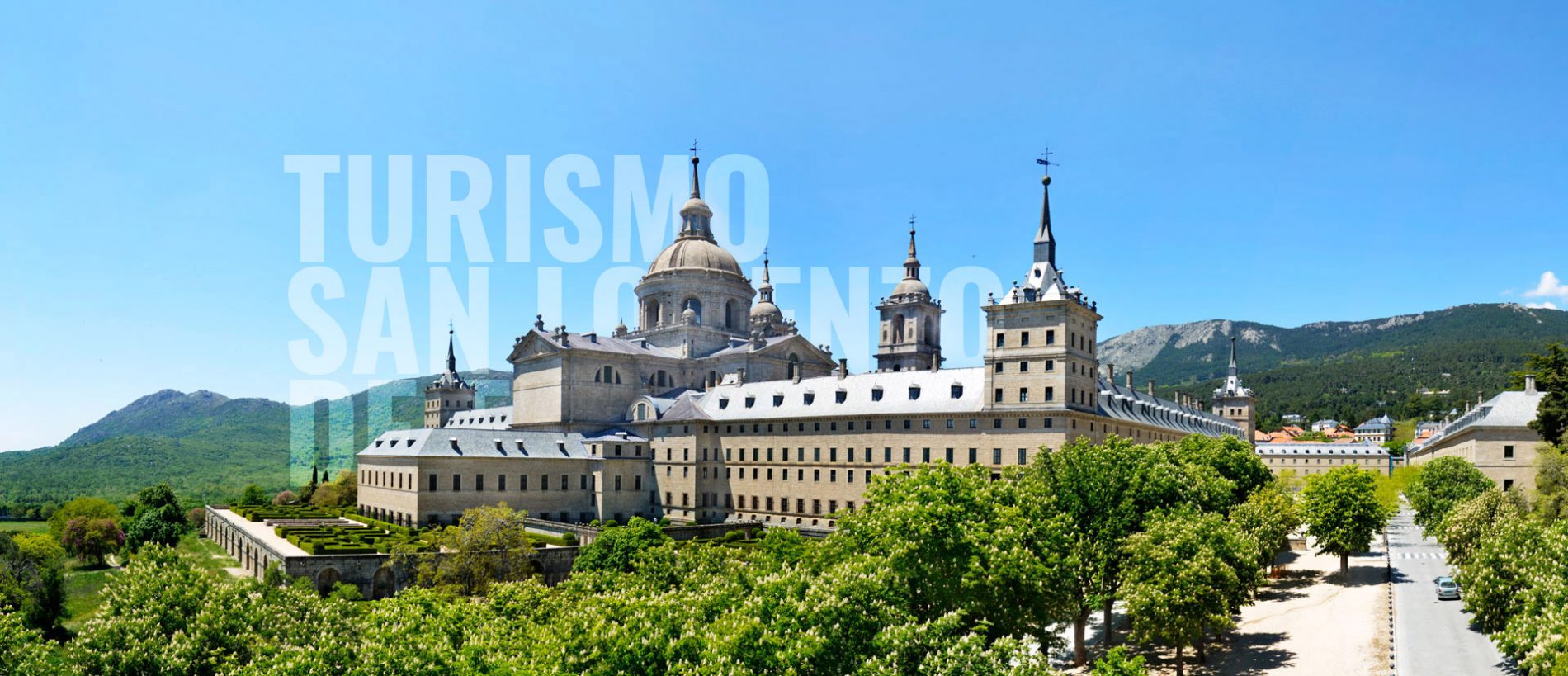
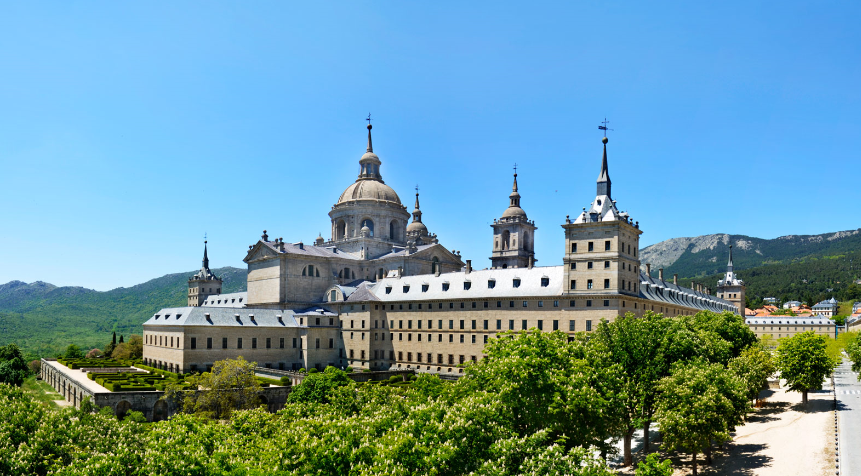
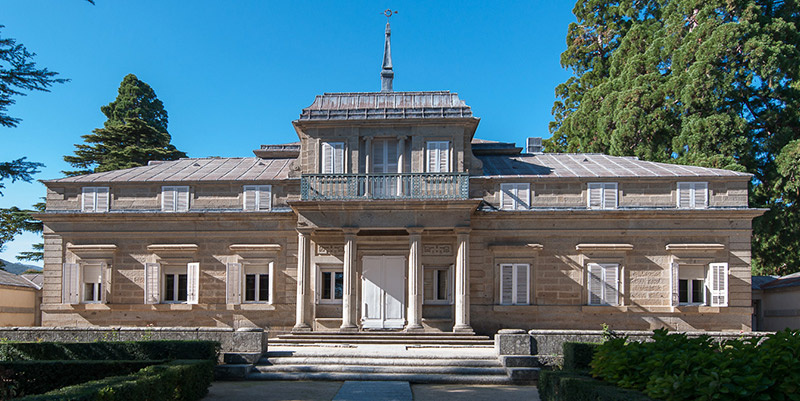
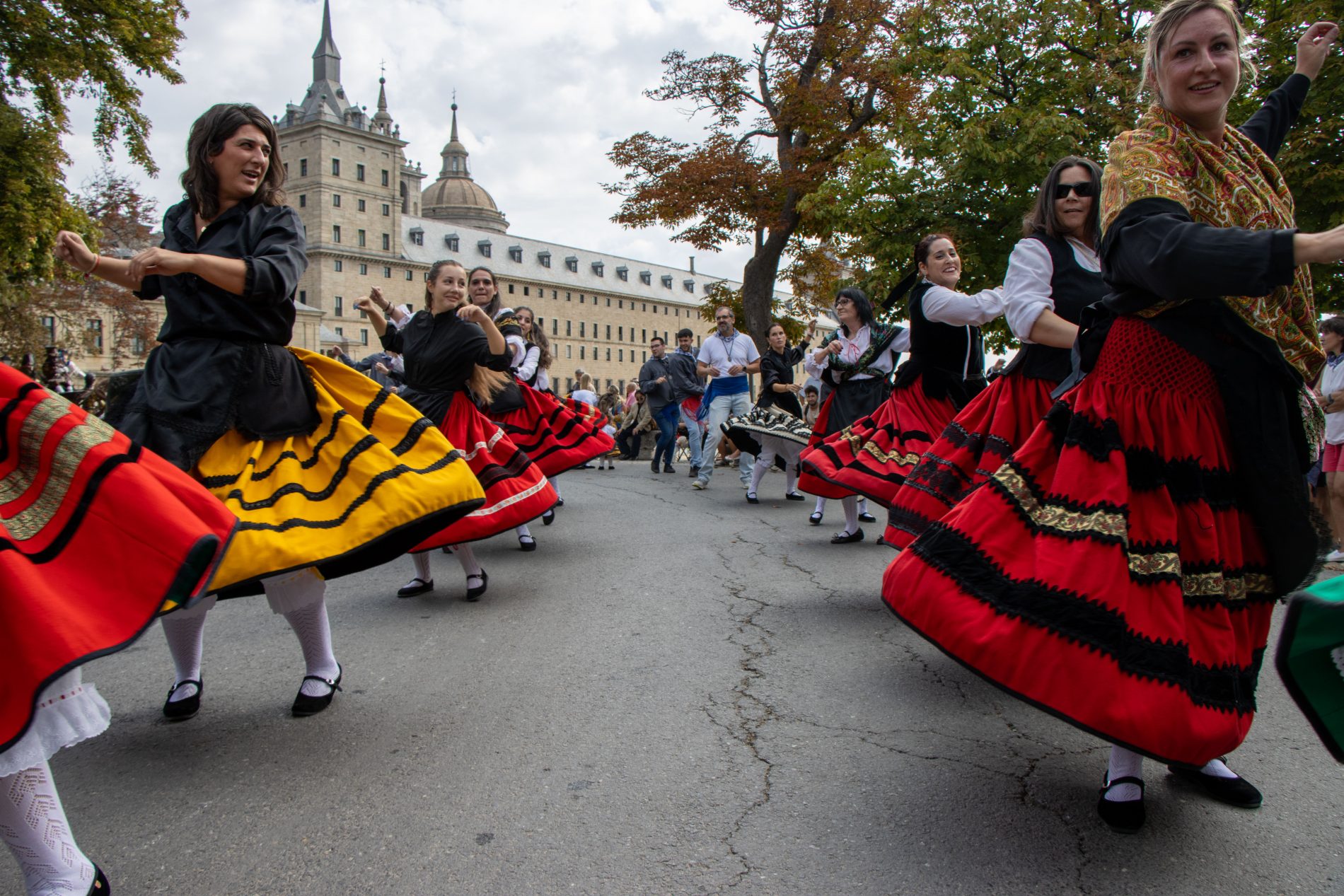
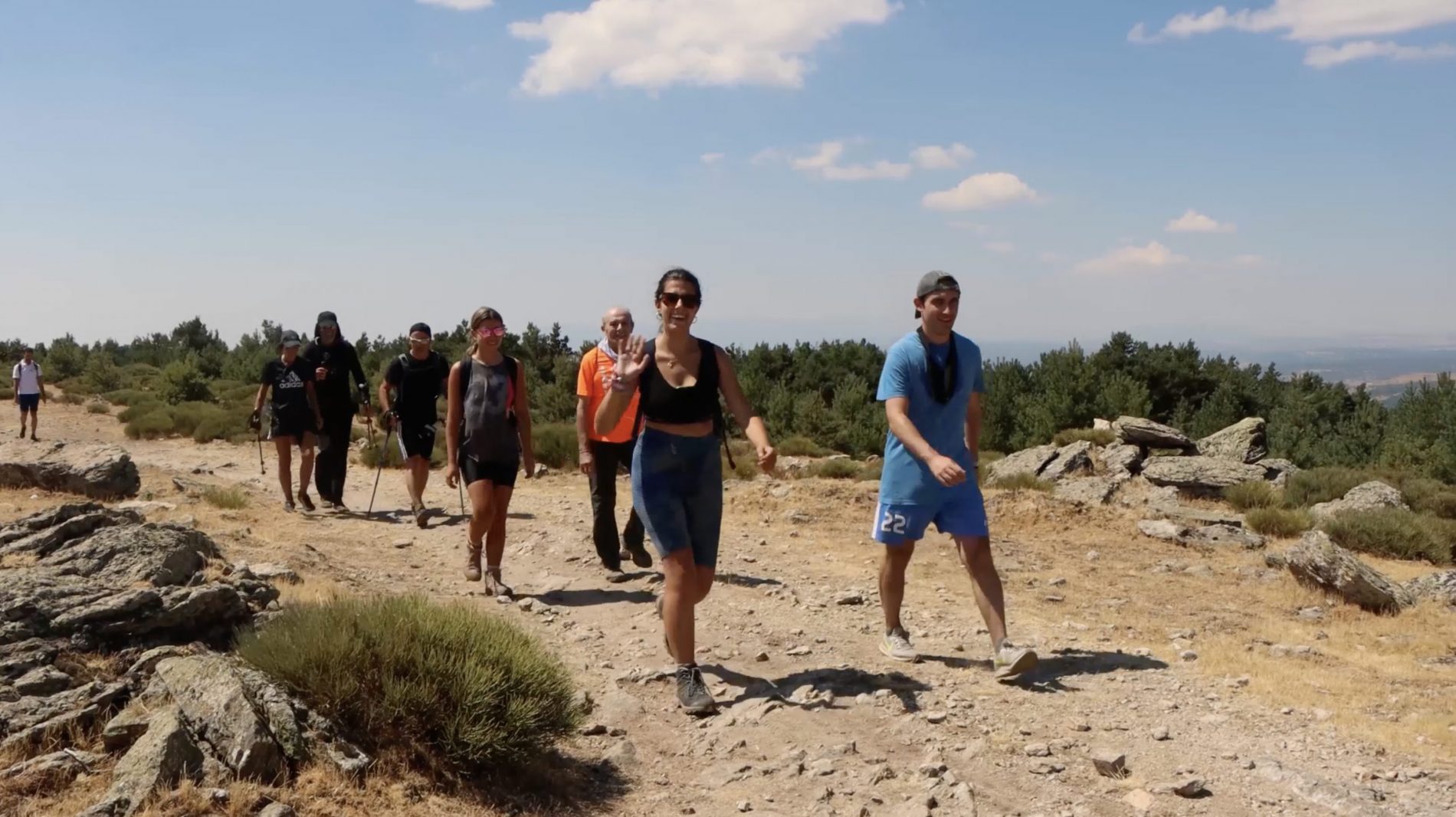
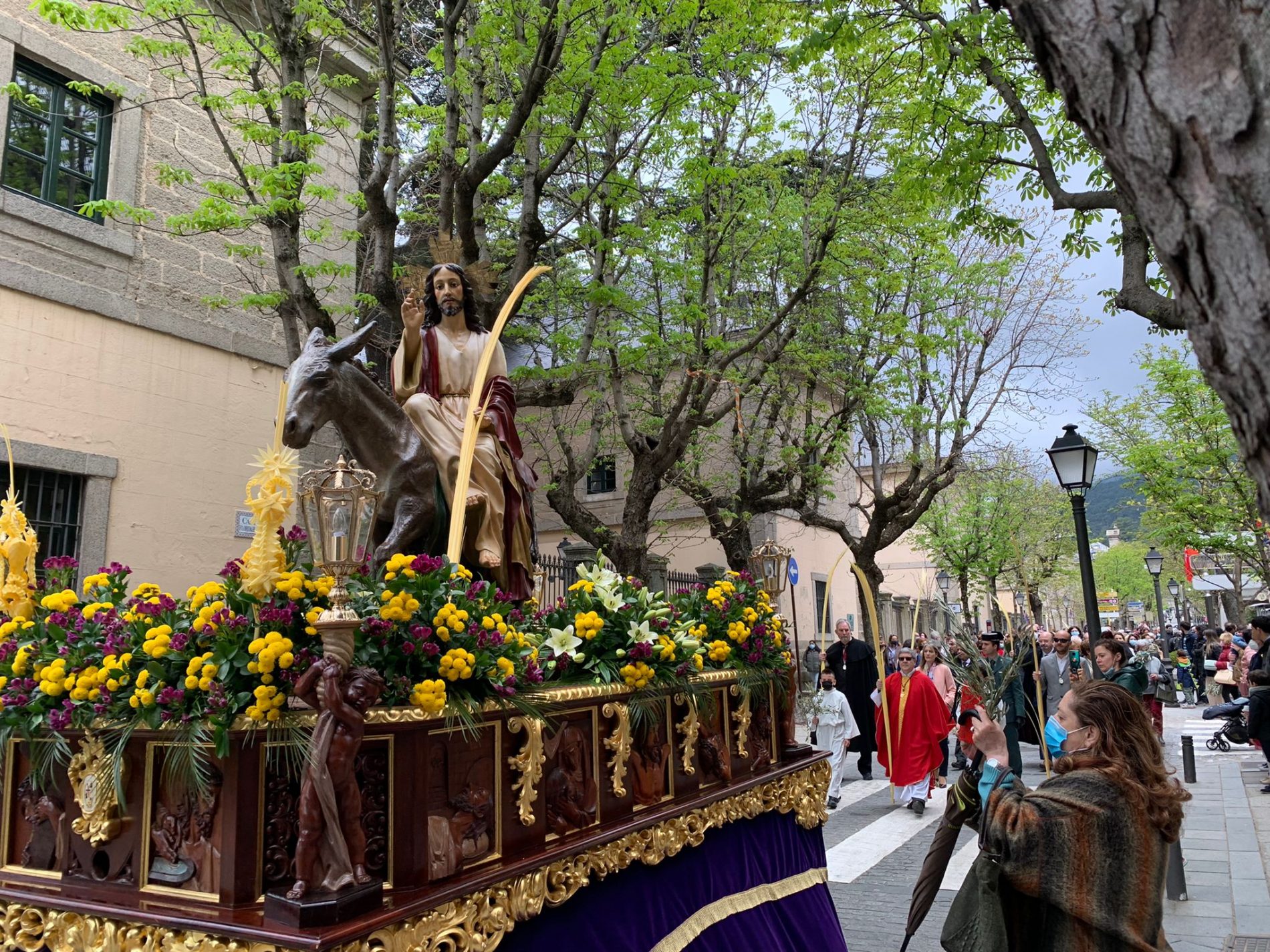
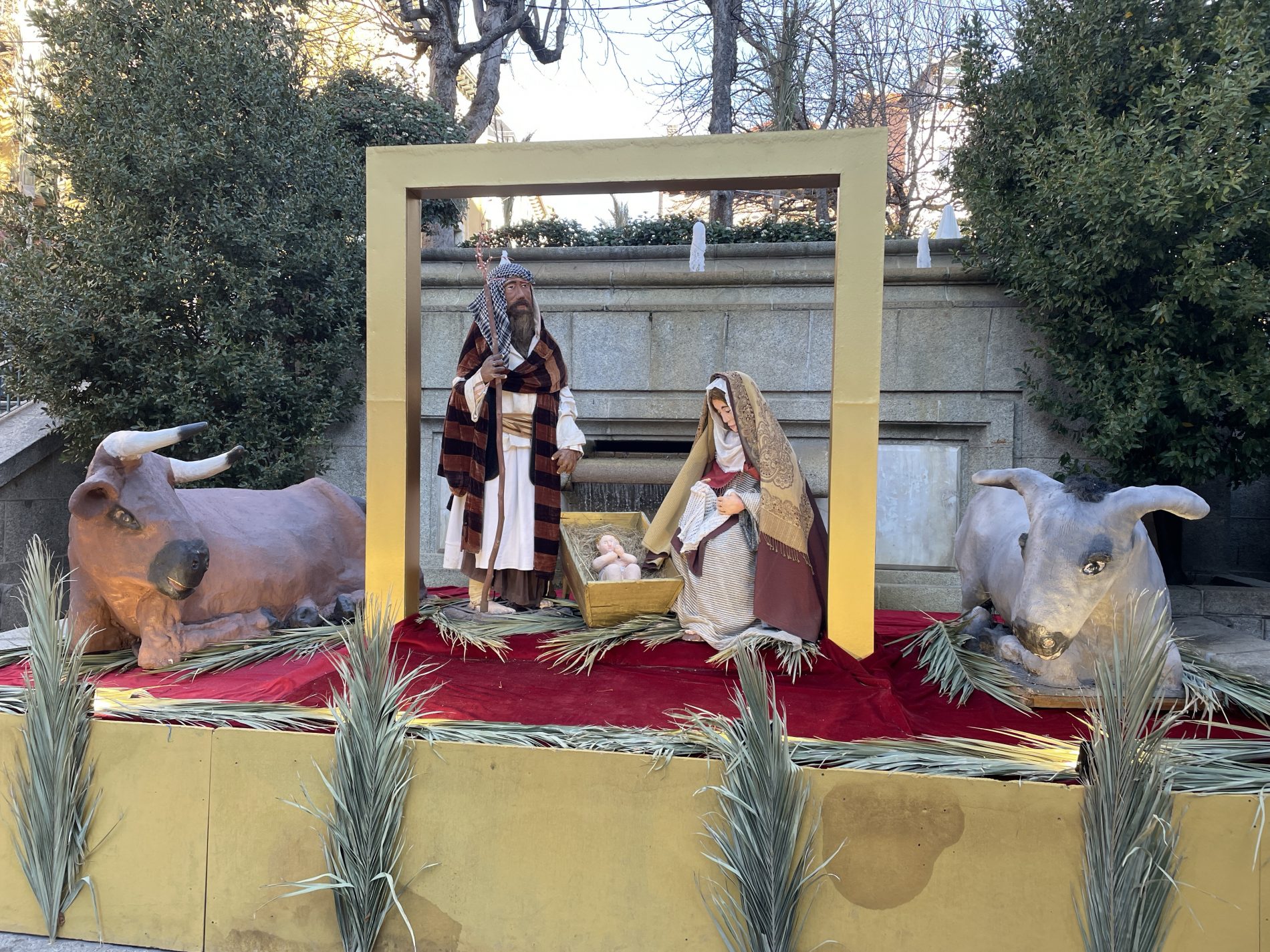
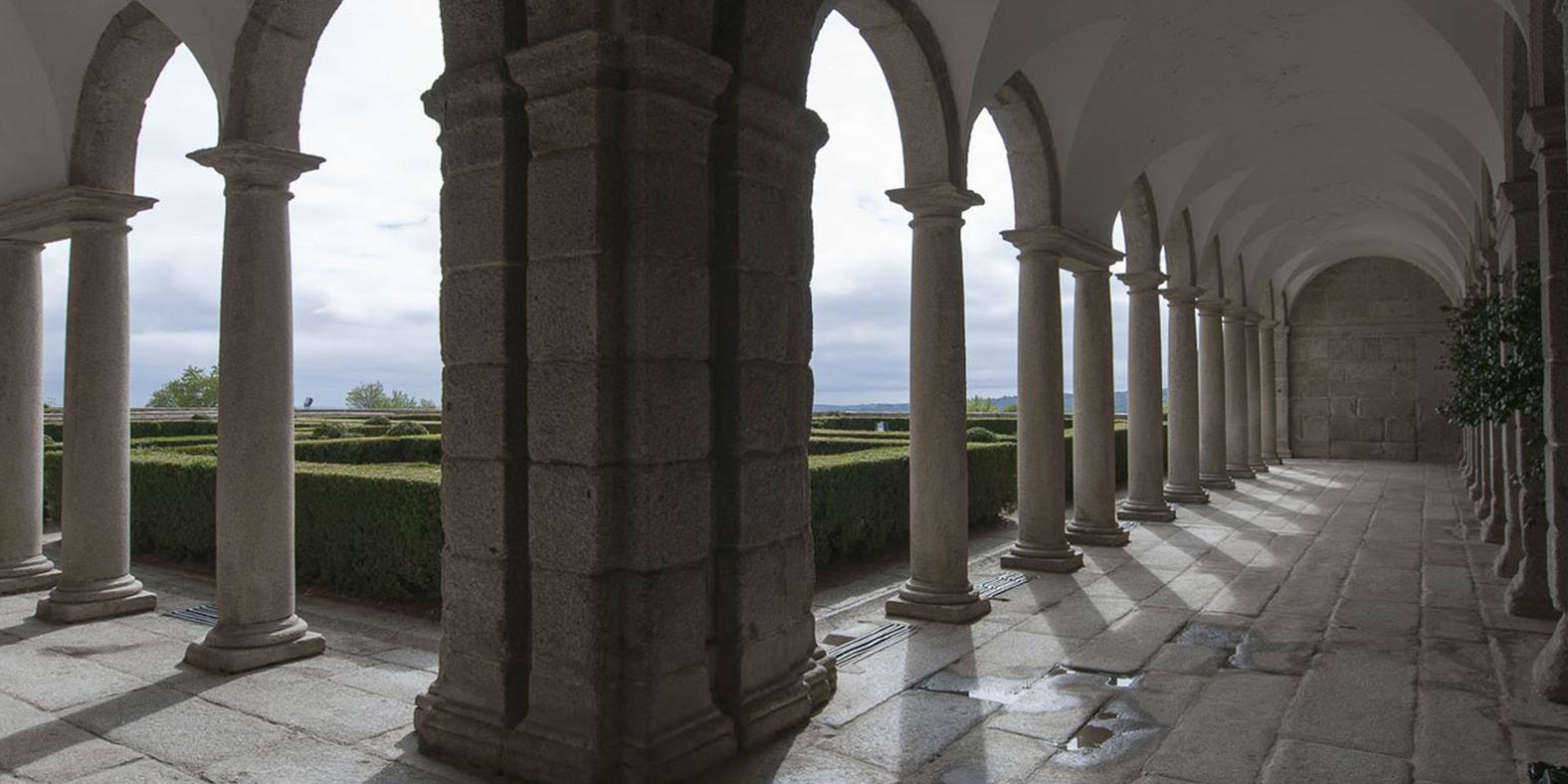
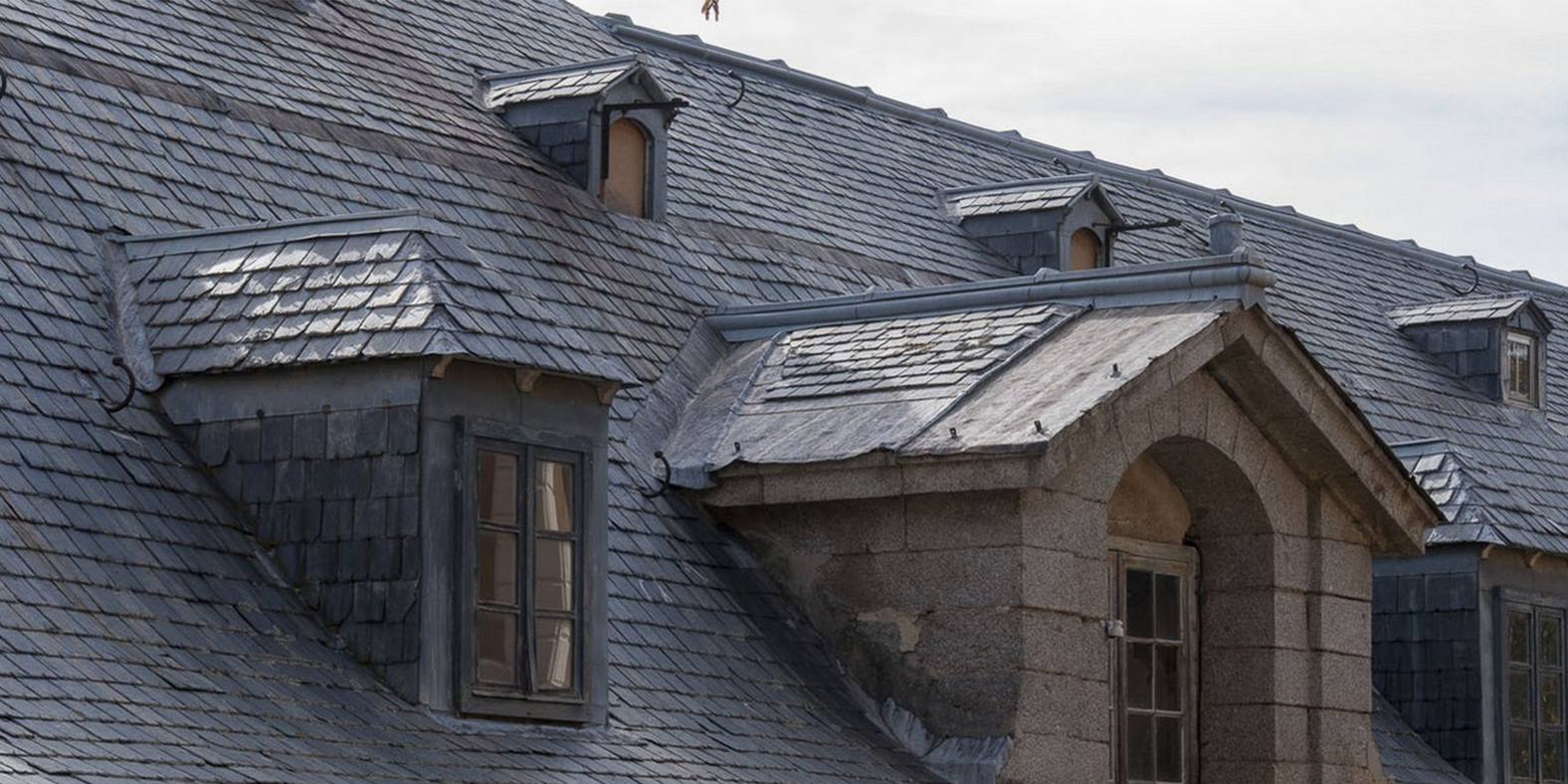
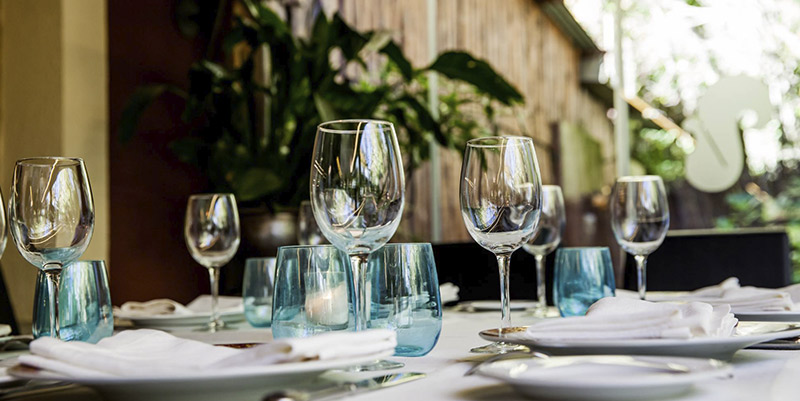
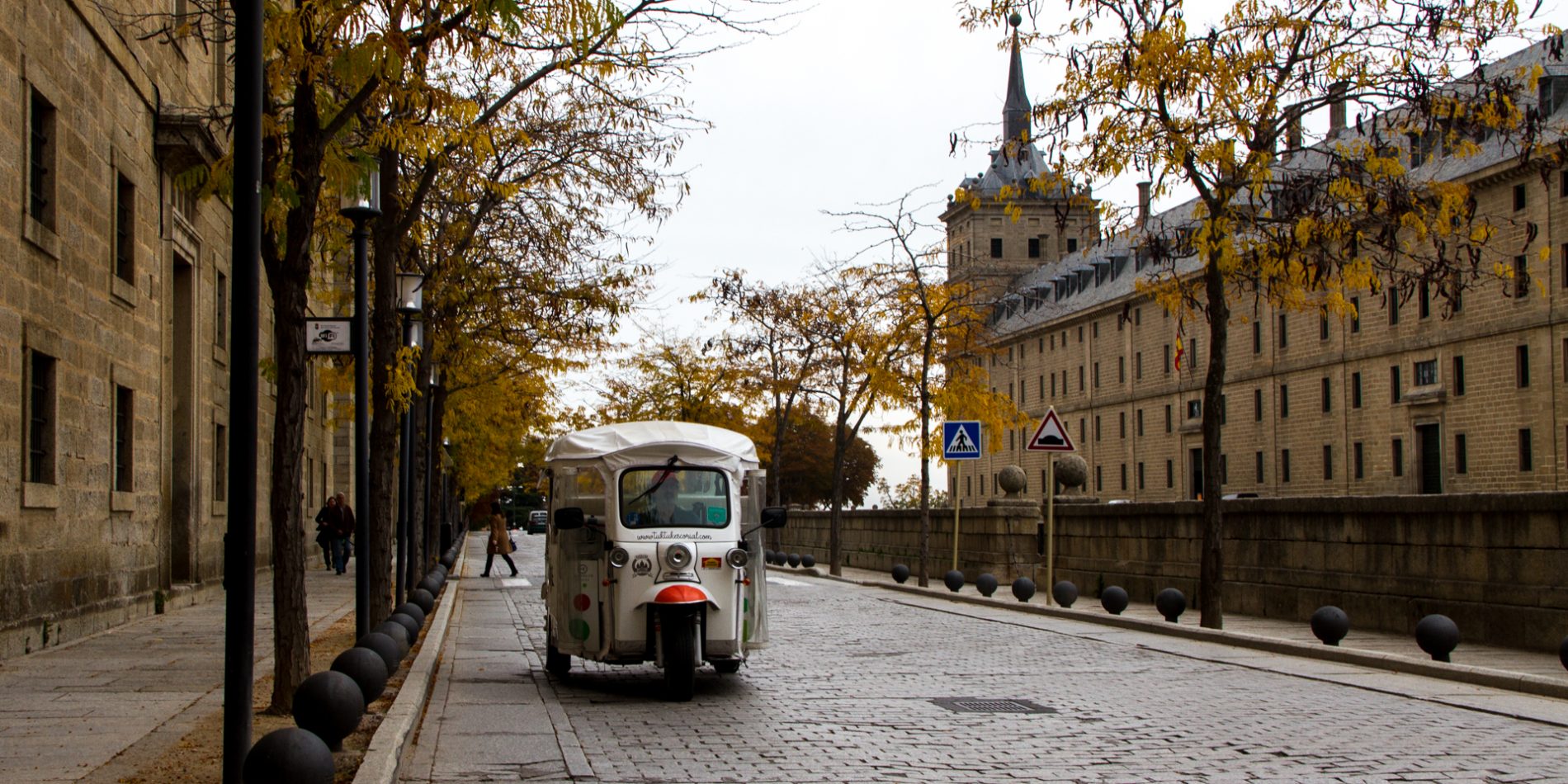
San Lorenzo de El Escorial ofrece el clima, la tranquilidad y los servicios necesarios para disfrutar de los días de descanso y ocio que todos merecemos.
C/ Grimaldi, 4
28200 San Lorenzo de El Escorial
Madrid (España)
(+034) 918 905 313
info@sanlorenzoturismo.org
info@sanlorenzoturismo.org
+034 918 905 313
Portada
Qué visitar
Real Monasterio
Casita del Príncipe
Casita del Infante
Jardines históricos
Valle de Cuelgamuros
Real Coliseo Carlos III
Teatro Auditorio
Colección Cocheras del Rey
Exposiciones
Arboreto Luis Ceballos
Insectpark
Fuente del Seminario
Qué hacer
Fiestas de Interés Turístico
Romería de Nuestra Señora de la Virgen de Gracia
Travesía de las cumbres
Semana Santa
Belén Monumental
En familia
Con tu cole
Con tu mascota
Rutas urbanas
Ruta por el siglo XVI
Ruta por el siglo XVIII
Patrimonio Mundial
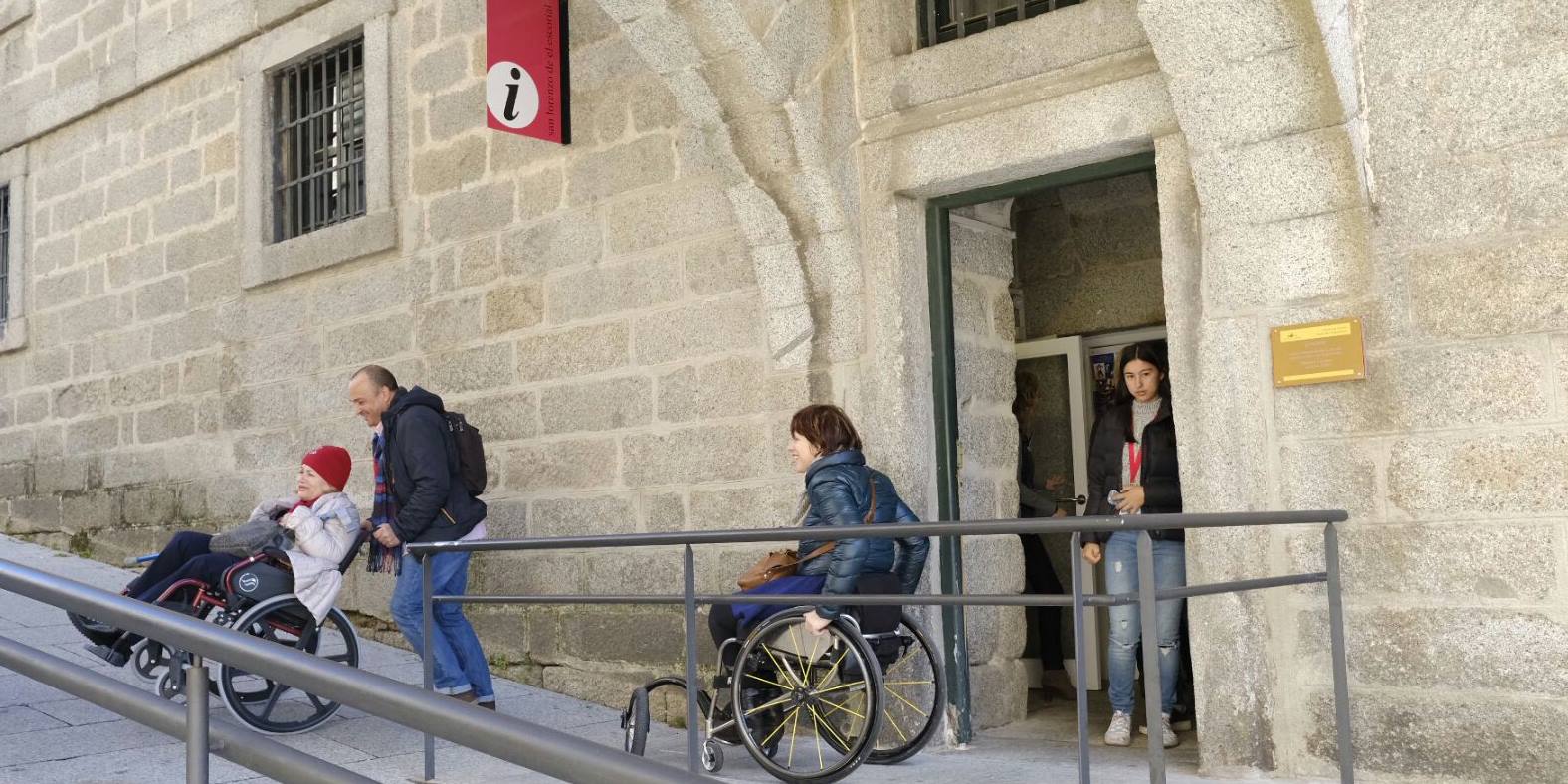
Itinerario accesible
Árboles relevantes
Guías oficiales
Visitas Guiadas y Caracterizadas
Visitas teatralizadas
Rutas en la naturaleza
Flora y fauna en San Lorenzo de El Escorial
La Herrería – El Castañar – Silla de Felipe II
Silla de Felipe II
Abantos – La Naranjera
Tesoros de Abantos
Pinar de Abantos
Cascada del Hornillo
Fuente nueva – Casa de los Llanillos
Cacería fotográfica
Senda ecológica
Ruta de repoblación de Abantos
Ciclamadrid
Con el móvil
Marcotopo
Real Monasterio
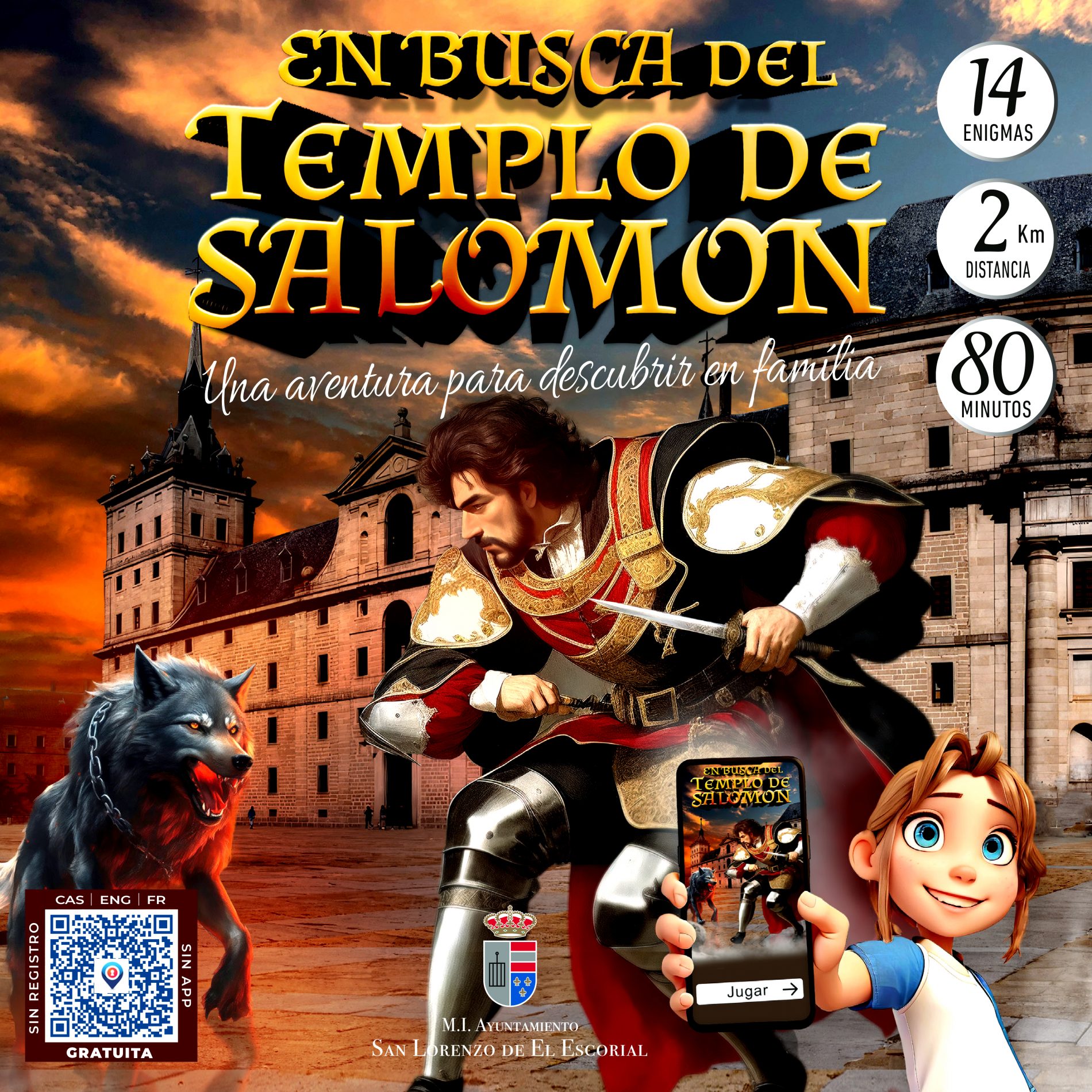
Gymkana «En Busca del Templo de Salomón»
Gymkana «¿Sabías que…?»
Real Coliseo Carlos III
Teatro Auditorio
Tren de Felipe II
Real Club de Golf La Herrería
Servicios
Hoteles y alojamientos
Restaurantes y tapas
Ocio nocturno
Guías
Guías oficiales
Autobuses
Trenes
Taxis
Información
Oficina de Turismo
Cámaras online
El tiempo
Dónde aparcar
Mapas y folletos
Con el móvil
Vídeos
Visor del Patrimonio
Zona Wifi
Contacta
Portada
Qué visitar
Real Monasterio
Casita del Príncipe
Casita del Infante
Jardines históricos
Valle de Cuelgamuros
Real Coliseo Carlos III
Teatro Auditorio
Colección Cocheras del Rey
Exposiciones
Arboreto Luis Ceballos
Insectpark
Fuente del Seminario
Qué hacer
Fiestas de Interés Turístico
Romería de Nuestra Señora de la Virgen de Gracia
Travesía de las cumbres
Semana Santa
Belén Monumental
En familia
Con tu cole
Con tu mascota
Rutas urbanas
Ruta por el siglo XVI
Ruta por el siglo XVIII
Patrimonio Mundial
Itinerario accesible
Árboles relevantes
Guías oficiales
Visitas Guiadas y Caracterizadas
Visitas teatralizadas
Rutas en la naturaleza
Flora y fauna en San Lorenzo de El Escorial
La Herrería – El Castañar – Silla de Felipe II
Silla de Felipe II
Abantos – La Naranjera
Tesoros de Abantos
Pinar de Abantos
Cascada del Hornillo
Fuente nueva – Casa de los Llanillos
Cacería fotográfica
Senda ecológica
Ruta de repoblación de Abantos
Ciclamadrid
Con el móvil
Marcotopo
Real Monasterio
Gymkana «En Busca del Templo de Salomón»
Gymkana «¿Sabías que…?»
Real Coliseo Carlos III
Teatro Auditorio
Tren de Felipe II
Real Club de Golf La Herrería
Servicios
Hoteles y alojamientos
Restaurantes y tapas
Ocio nocturno
Guías
Guías oficiales
Autobuses
Trenes
Taxis
Información
Oficina de Turismo
Cámaras online
El tiempo
Dónde aparcar
Mapas y folletos
Con el móvil
Vídeos
Visor del Patrimonio
Zona Wifi
Contacta
Top
Próximos eventos
Abr
25
Visita Teatralizada Gratuita al Teatro Real Coliseo Carlos III de San Lorenzo de El Escorial
12:00pm
Una visita para toda la familia de la mano de su majestad Carlos III.
Abr
26
Visita a la Casita del Infante
12:00pm
Un buen plan para los viernes.
Abr
27
Ruta "Ascensión del Monte Abantos"
10:15am
Celebra con nosotros el día Mundial de la Tierra. Reserva tu plaza 91 890 53 13
Abr
28
Visita Guiada Accesible de Sensibilización
12:30pm
Paseo Accesible para concienciar.
Abr
30
Visita Teatralizada Gratuita al Teatro Real Coliseo Carlos III de San Lorenzo de El Escorial
12:00pm
Una visita para toda la familia de la mano de su majestad Carlos III.
May
02
Visita Teatralizada Gratuita al Teatro Real Coliseo Carlos III de San Lorenzo de El Escorial
12:00pm
Una visita para toda la familia de la mano de su majestad Carlos III.
Ver todos
Patrimonio Mundial
Monasterio y Sitio de El Escorial
Real Monasterio
Real Sitio
Fiestas de interés Turístico
Romería de Nuestra Señora de la Virgen de Gracia
Travesía de las cumbres
Semana Santa
Belén Monumental
Conjunto Histórico-Artístico
Ruta del S.XVI
Ruta del S.XVIII
Gastronomía y alojamientos
Gastronomía
Alojamientos
Entorno Natural
Rutas en la naturaleza
Flora y Fauna San Lorenzo de El Escorial
Con el móvil
Marcotopo
Aplicaciones
Gymkana «En Busca del Templo de Salomón»
GYMKANA ¿SABÍAS QUE…?
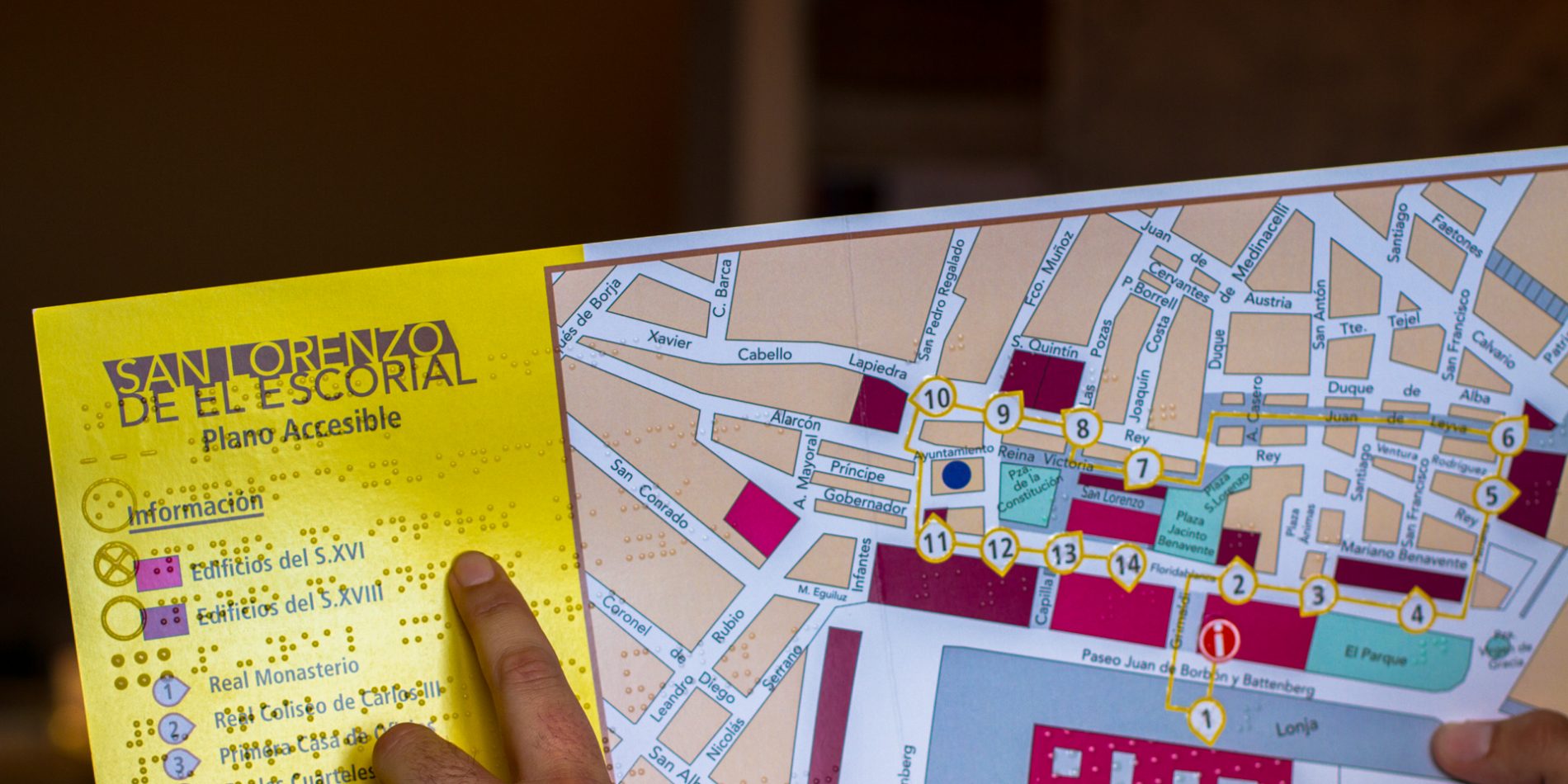
San Lorenzo Accesible
Oficina de turismo
Accesibles
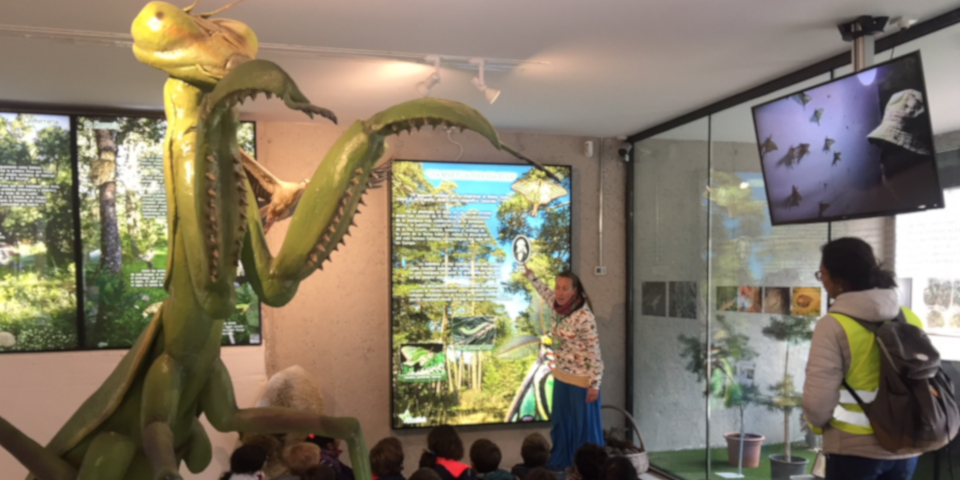
Para disfrutar en familia
Insectpark
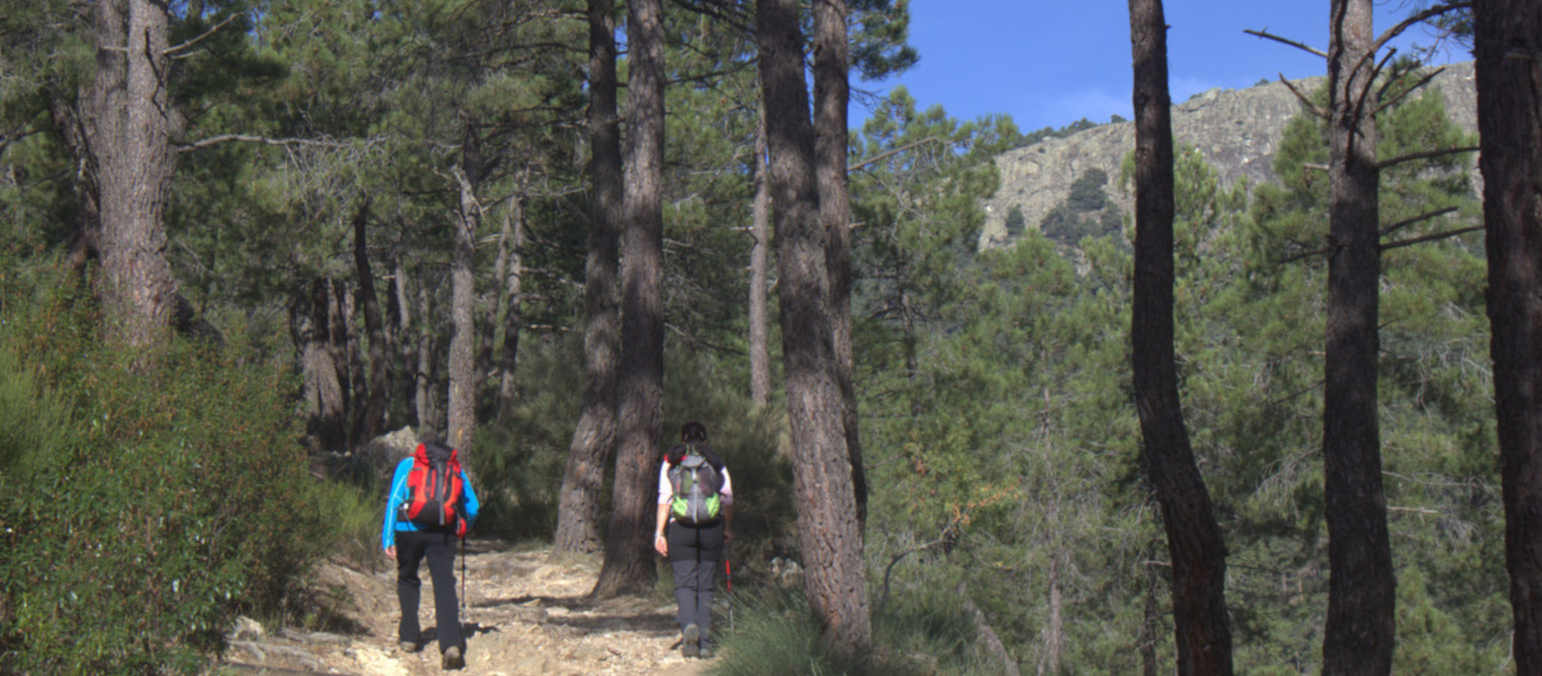
Rutas en la Naturaleza
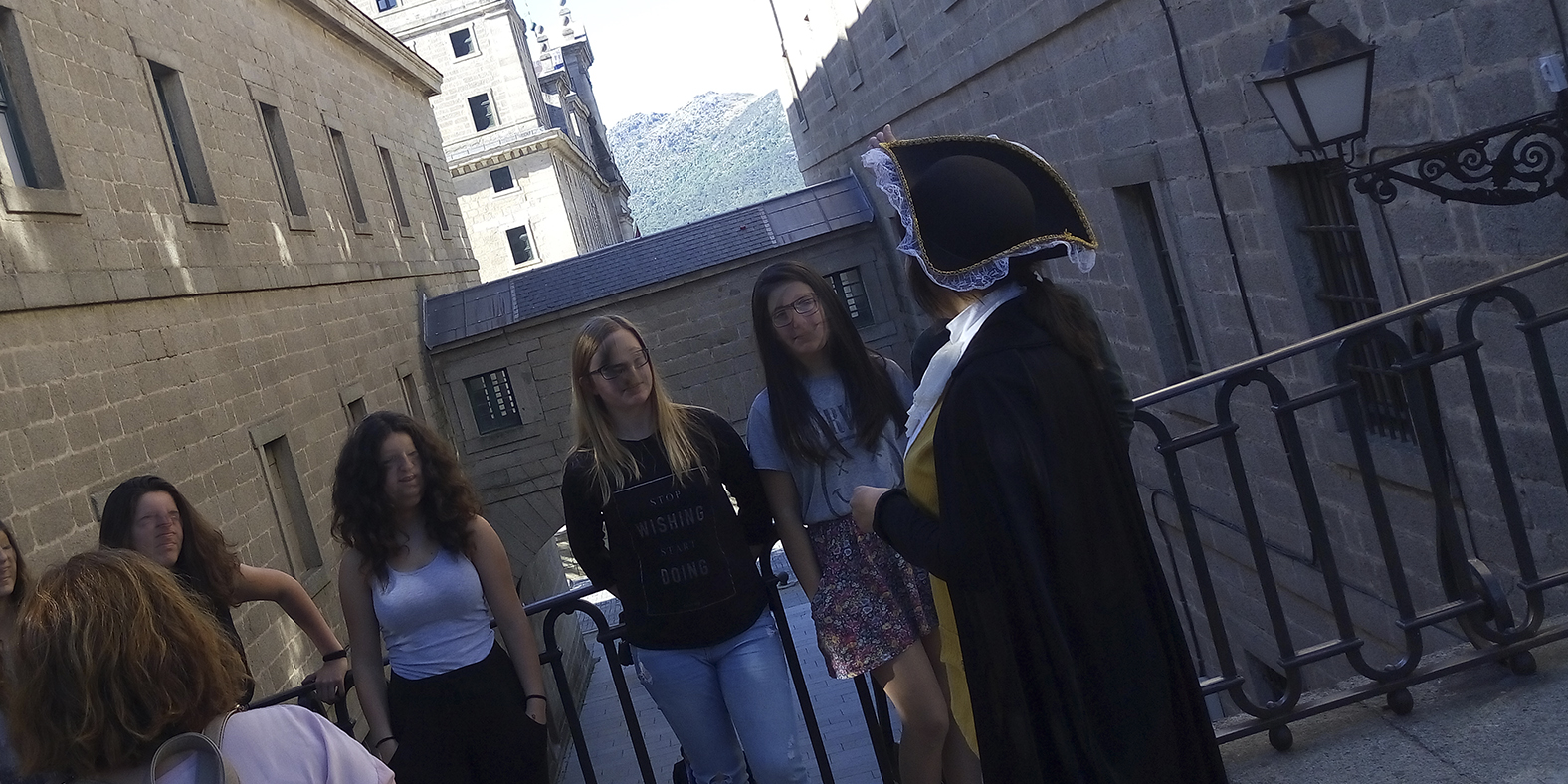
Visitas teatralizadas
Movilidad
Ir al contenido
Abrir barra de herramientas
Accesibilidad
Accesibilidad
Aumentar texto
Aumentar texto
Reducir texto
Reducir texto
Escala de grises
Escala de grises
Alto contraste
Alto contraste
Contraste negativo
Contraste negativo
Fondo blanco
Fondo blanco
Subrayar enlaces
Subrayar enlaces
Fuente legible
Fuente legible
Restablecer
Restablecer
Mapa del sitio
Mapa del sitio
Ayuda
Ayuda
Comentarios
Comentarios